1918 to 1991

Aircraft of the 91st

From wood-and-fabric reconnaissance biplanes over France to RF-4C Phantoms at Bergstrom, the 91st kept reinventing what it meant to see the battlefield first.

33 aircraft entries 7 mission eras Images stored locally in this project

How to read this page: the timeline follows the verified aircraft roster for the squadron, grouped into eras that feel like distinct chapters rather than one long equipment list.

Accuracy note: where the sourced lineage summaries used approximate or overlapping dates, that uncertainty stays visible here. Where no clean 91st-marked photograph surfaced, the card says so and uses a representative image from the exact type or the closest aircraft family.

1918 to 1919

Over the Western Front

The 91st reached France as an observation unit and moved quickly through short-lived types before settling on the Salmson for combat work.

Dorand AR reconnaissance aircraft 1918
Early reconnaissance

Dorand AR.1 / AR.2

Also listed as AR type.

A brief transitional type in the squadron's first combat year before the Salmson became the signature WWI aircraft.

Research notes

The sourcing pass tightened this entry to 1918 rather than the broader 1917 to 1918 range in the draft list.

Exact type image.

License: Public domain - San Diego Air and Space Museum archives
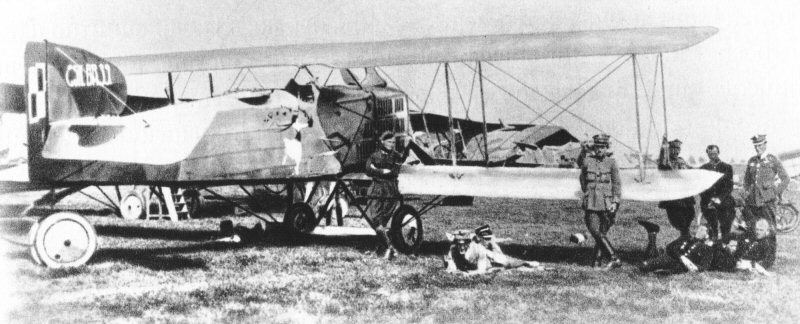
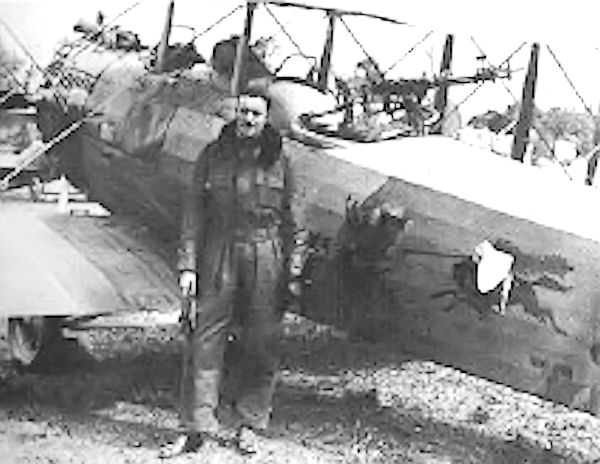
Major John N. Reynolds beside a 91st Aero Squadron Salmson 2A2 1918 to 1919
Primary observation aircraft

Salmson 2A2

Also listed as Salmson 2.

The aircraft most closely associated with the 91st's wartime service in France, used for the deep reconnaissance work that defined the squadron.

Research notes

The squadron received Salmson 2A2s in late April 1918 and flew them operationally through the end of the war and immediate aftermath.

91st-specific image with the squadron emblem visible.

License: Public domain - Air Service, United States Army

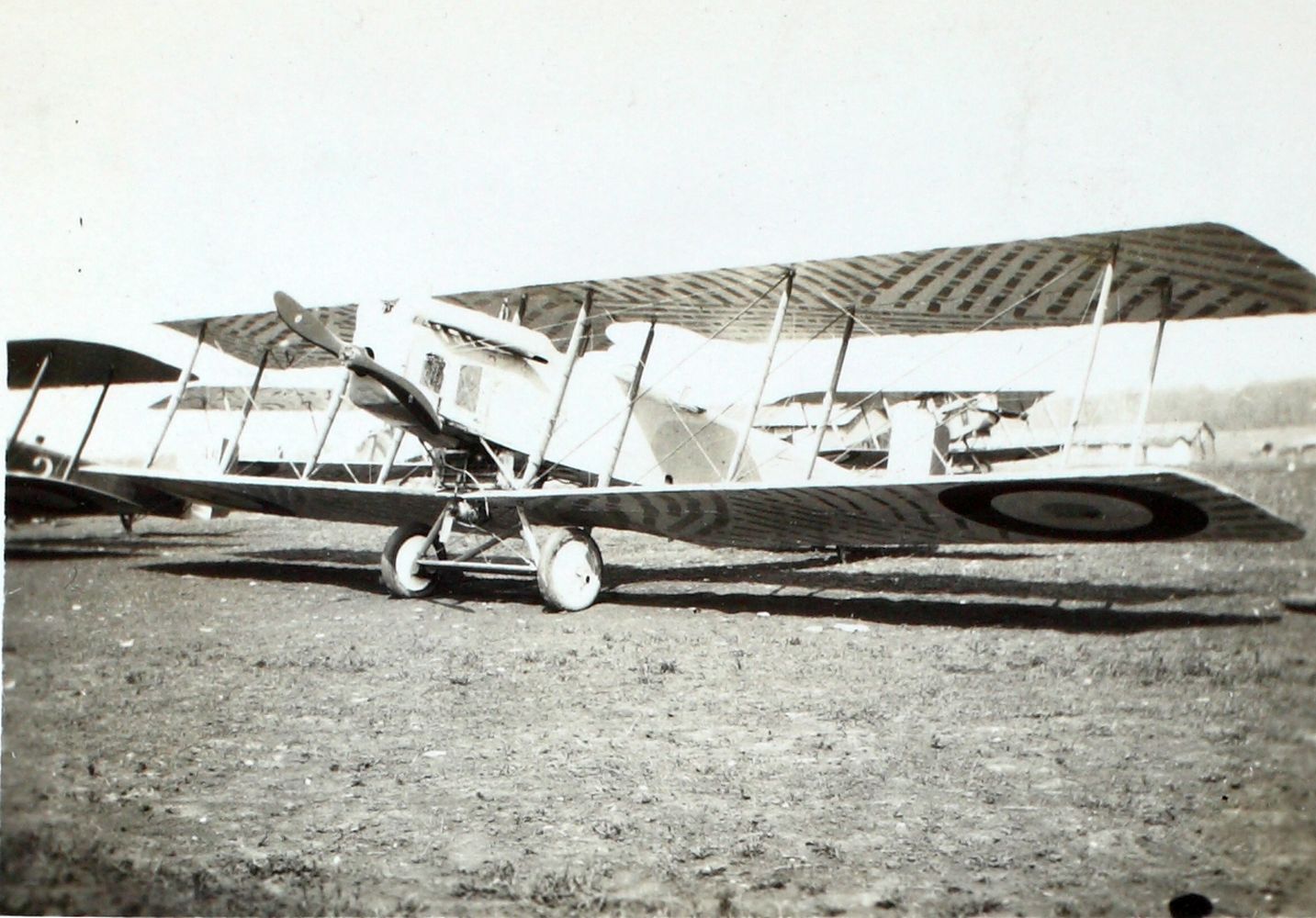
Breguet 14 biplane 1918 to 1919
Observation and transition aircraft

Breguet 14

A less central but still documented WWI-era type in the broader 91st equipment mix during the squadron's first operational cycle.

Research notes

The verification pass extended the draft's 1918-only date into 1919 to match the lineage-style summaries.

Representative type image.

License: Public domain - Unknown author Unknown author

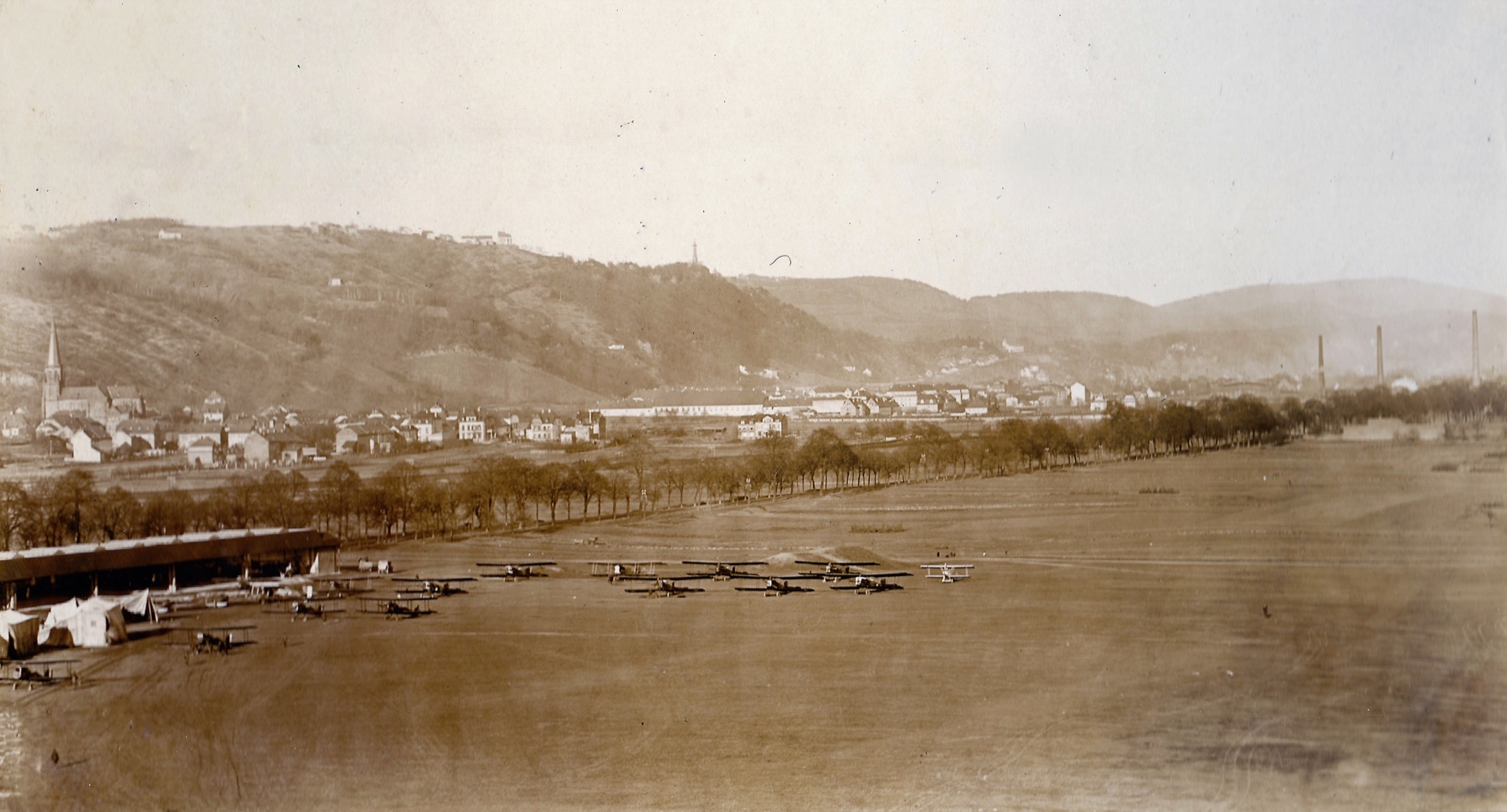
Airco DH.4 aircraft of the 91st Observation Squadron at Trier Airfield 1918; 1919 to c.1928
Observation and postwar workhorse

DH-4

One of the few aircraft in the 91st story that bridges the First World War and the long interwar lull that followed.

Research notes

The DH-4 appears in both the WWI list and the postwar observation lineup, which makes it a useful hinge between the eras.

91st-specific airfield photo at Trier; the aircraft are shown on the line rather than in close-up.

License: Public domain - Lt. William A. Barnhill, 91st Aero Squadron, Air Service, U.S. Army

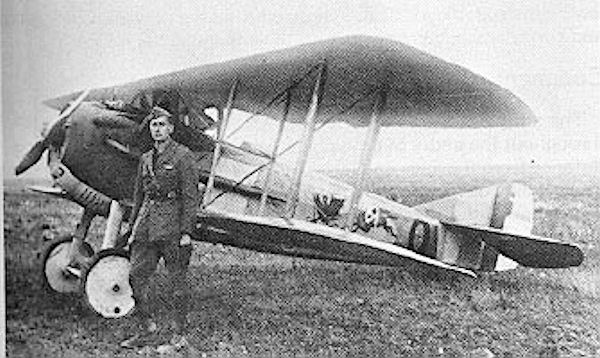
Lt. Everett R. Cook beside a 91st Aero Squadron SPAD XIII 1918 to 1919
WWI-era supplementary type

SPAD XIII

Listed in squadron aircraft summaries for the fluid final phase of the war and the occupation period rather than as the main squadron mount.

Research notes

This entry, like the Breguet 14, reflects a broader late-war aircraft environment around the 91st more than a long principal assignment.

91st-specific image.

License: Public domain - United States Army Air Service

1925 to 1936

Interwar Experimentation

The squadron spent the interwar years cycling through Army Air Corps observation, amphibian, and utility aircraft as the mission matured.

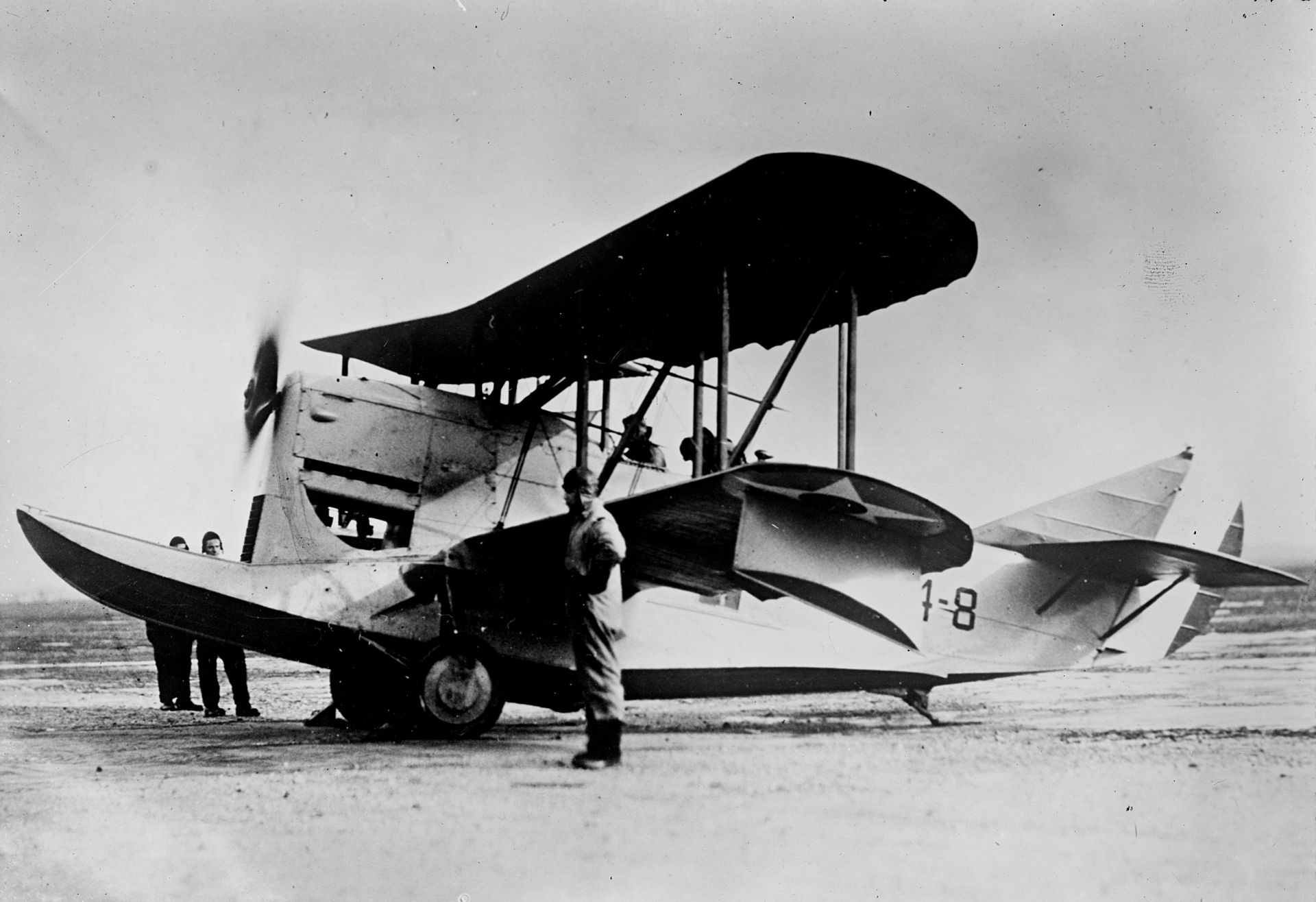
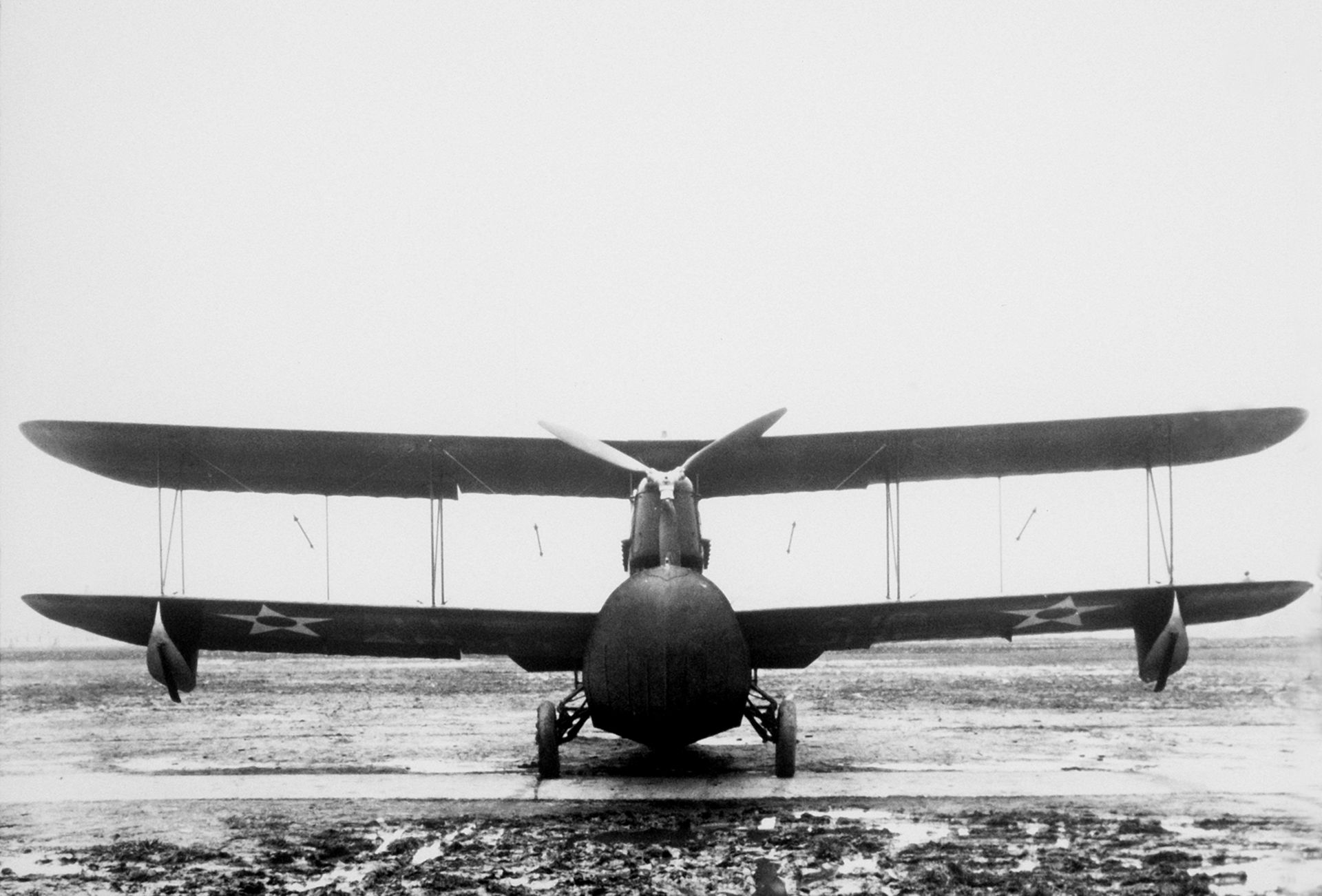
Loening amphibious aircraft representing the OA-1 family 1925 to 1930
Amphibious observation

OA-1

Also listed as Loening OA-1A family.

A reminder that the interwar 91st did more than fly dry-land observation aircraft; amphibious utility and observation types were part of the mix too.

Research notes

The image used here represents the Loening OA family rather than a 91st-marked aircraft.

Representative Loening OA-1A family image.

License: Public domain - Bain News Service

Douglas C-1 transport aircraft 1925 to 1930
Utility and transport support

C-1

Also listed as Douglas C-1.

The 91st's interwar lineup included utility aircraft that supported the observation mission even when they were not front-line scouts themselves.

Research notes

This was part of the same broad transition period that still included the DH-4 and newer observation types.

Representative Douglas C-1 family image.

License: Public domain - U.S. Air Force

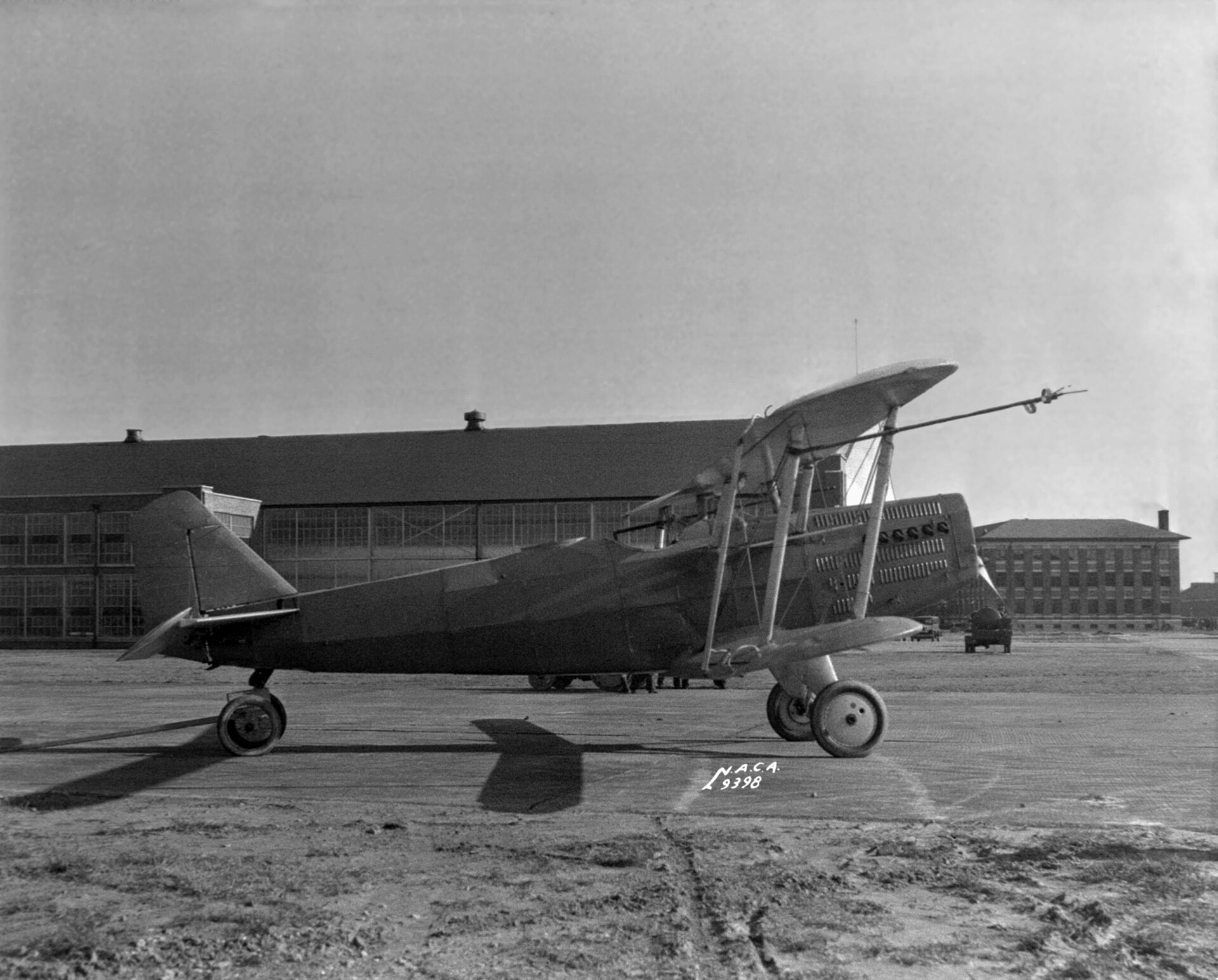
Douglas O-2 observation aircraft c.1926 to 1930
Observation

O-2

Also listed as Douglas O-2.

The O-2 marks the squadron's move toward newer dedicated observation aircraft in the late 1920s.

Research notes

The date remains approximate because the lineage-style sources give a late-1920s span rather than a sharply bounded assignment date.

Representative type image.

License: Public domain - NACA Langley Research Center; The original uploader was Colputt at English Wikipedia ., 27 April 2007 (original upload date)

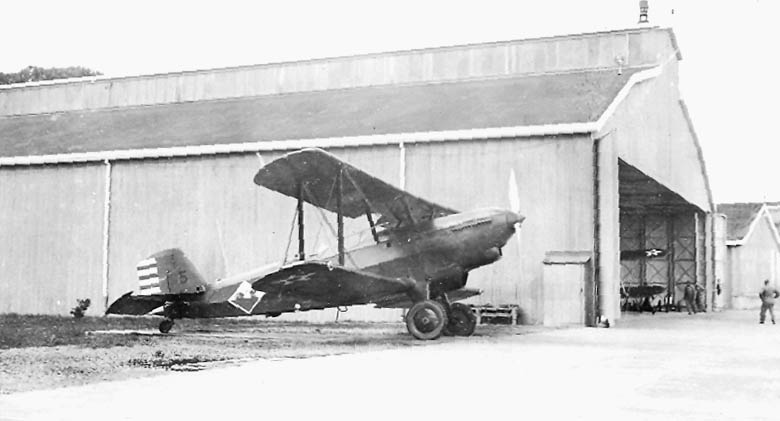
Douglas O-25 family observation aircraft 1930 to 1936
Primary early-1930s observation aircraft

O-25A

Also listed as O-25.

The O-25A sits at the center of the 91st's early-1930s story and shows how much the observation mission had modernized since the DH-4 years.

Research notes

The best image located was of the closely related O-25C family, which is flagged in the image note.

Closest exact-family image located; O-25C shown for the O-25/O-25A card.

License: CC BY-SA 2.0 - Bill Larkins

Loening amphibian representing the OA-2 family 1930 to 1936
Amphibious support aircraft

OA-2

The OA-2 remained part of the mix during the O-25 era, underlining how varied the squadron's interwar fleet could be.

Research notes

As with the OA-1 card, the image is representative of the Loening amphibian family rather than a 91st-specific airframe.

Representative Loening OA family image.

License: Public domain - USN

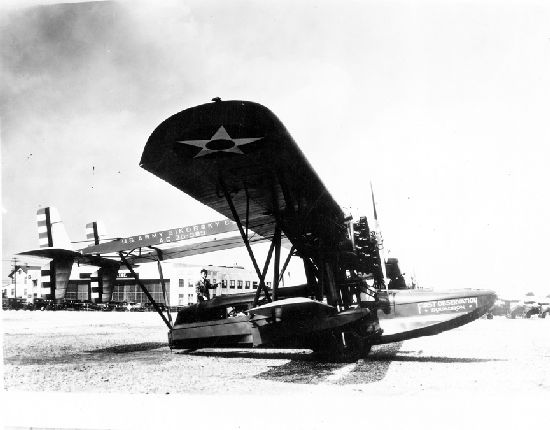
Sikorsky C-6A aircraft 1930 to 1936
Utility and transport support

C-6

Also listed as Sikorsky C-6A family.

The squadron's aircraft roster in the 1930s mixed classic observation platforms with utility types that expanded what the unit could do.

Research notes

The C-6 appears in the verified lineup during the same period as the O-25A, OA-2, and C-8.

Exact type image.

License: Public domain - Unknown author Unknown author

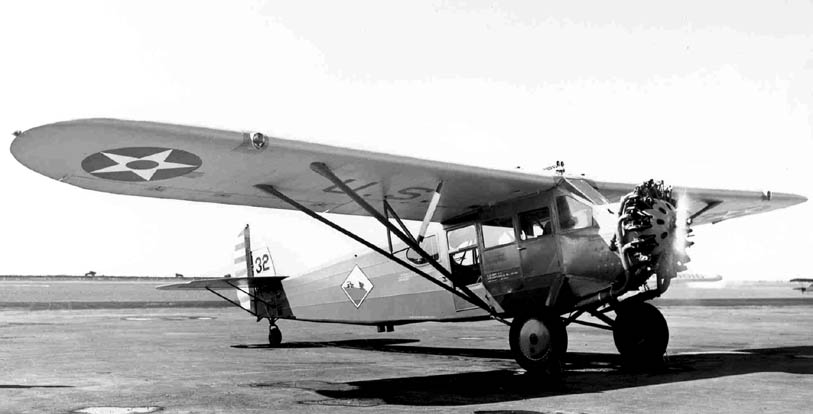
Fairchild C-8 aircraft 1930 to 1936
Utility and transport support

C-8

Also listed as Fairchild C-8.

Another supporting aircraft from the O-25 era, the C-8 rounds out the squadron's unusually broad prewar equipment list.

Research notes

The sourced image is an exact Fairchild C-8, though not a 91st-marked aircraft.

Exact type image.

License: CC BY-SA 2.0 - Bill Larkins

1936 to 1943

From Observation to War

Late-prewar observation aircraft gave way to liaison, attack, and fighter types as the 91st shifted toward reconnaissance in a global war.

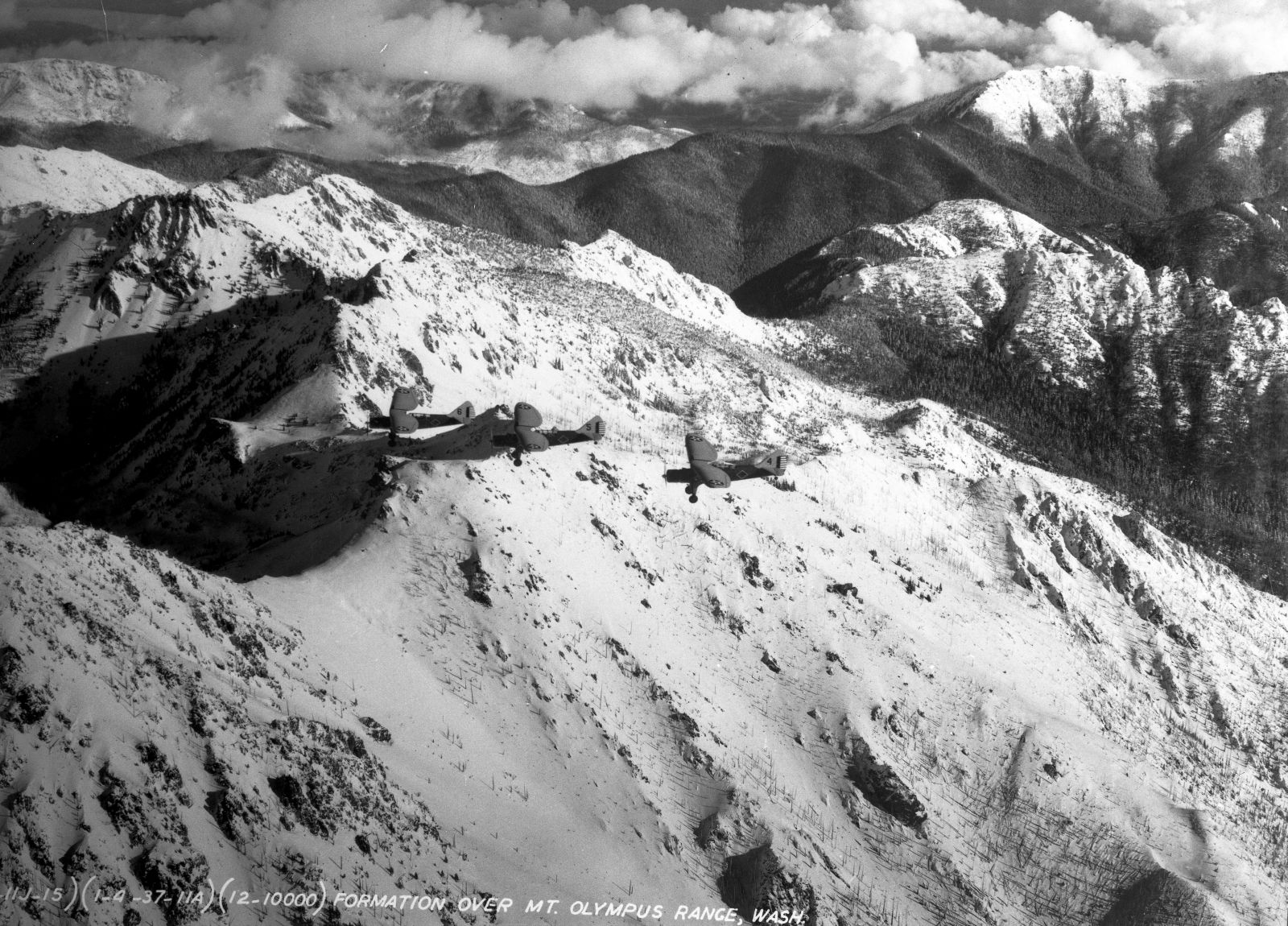
Douglas O-46s of the 91st Observation Squadron over the Mount Olympus range 1936 to 1942
Late-interwar observation

O-46

Also listed as Douglas O-46.

The O-46 was the 91st's principal aircraft in the final prewar years, a bridge between the interwar Army Air Corps and the pressure of mobilization.

Research notes

This was the squadron's most durable late-interwar assignment before the fast wartime transition accelerated.

91st-specific formation photo.

License: No known copyright restrictions - SDASM Archives

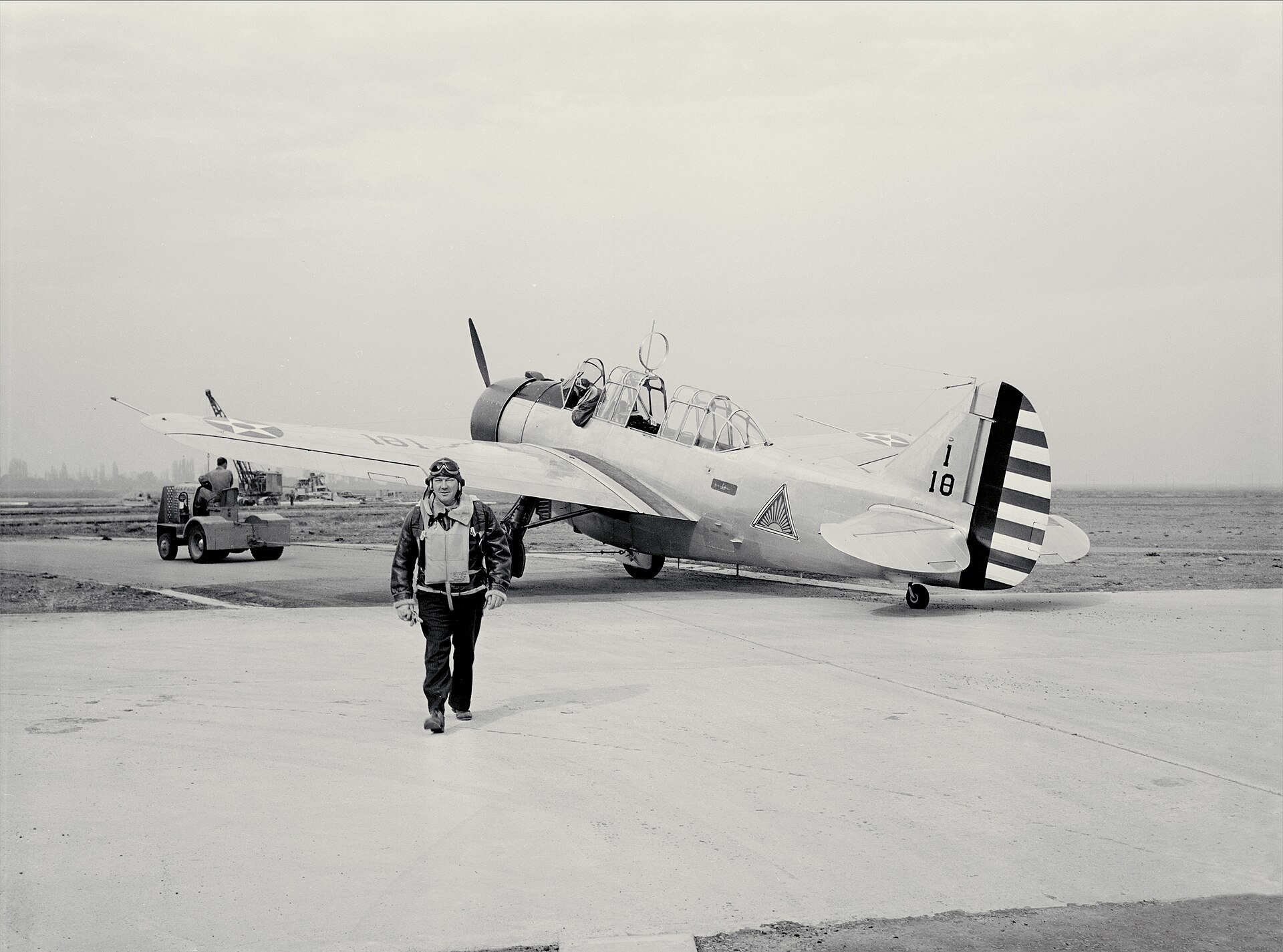
North American O-47 observation aircraft 1941 to 1943
Observation during mobilization

O-47

Also listed as North American O-47.

The O-47 lived in the overlap between peacetime observation doctrine and a wartime reality that was already changing too fast for the type.

Research notes

Lineage summaries show the O-47 across both the prewar and early wartime transition windows, so the page collapses that overlap into a single 1941 to 1943 span.

Exact type image.

License: Public domain - NACA/Ames Research Center

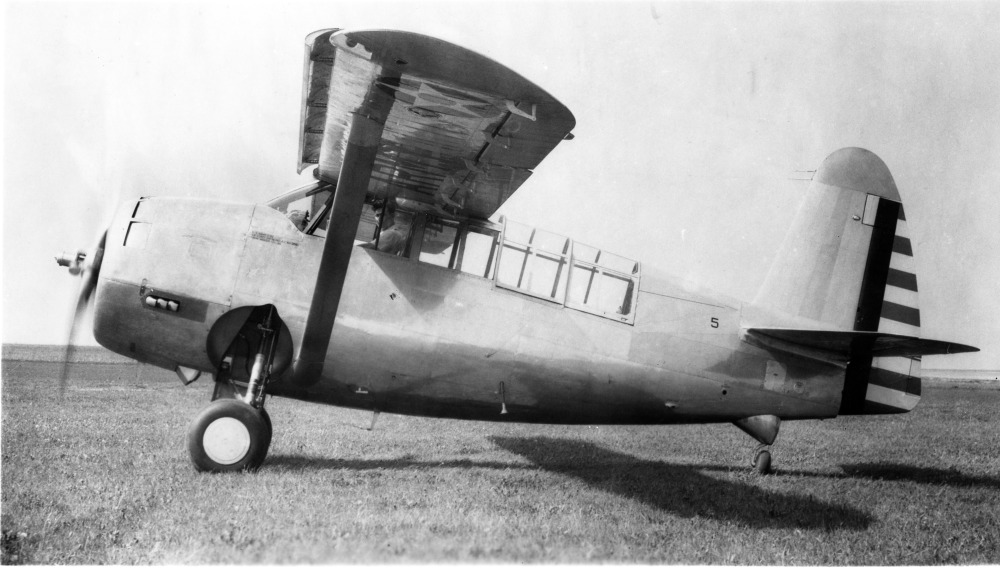
Curtiss O-52 Owl aircraft 1941 to 1942
Observation

O-52 Owl

Also listed as O-52.

An early-war observation type that captures the last moment before the squadron's mission set became more aggressively reconnaissance-oriented.

Research notes

The O-52 appears alongside the O-47 in the short prewar-to-war transition.

Exact type image.

License: Public domain - SDASM Archives

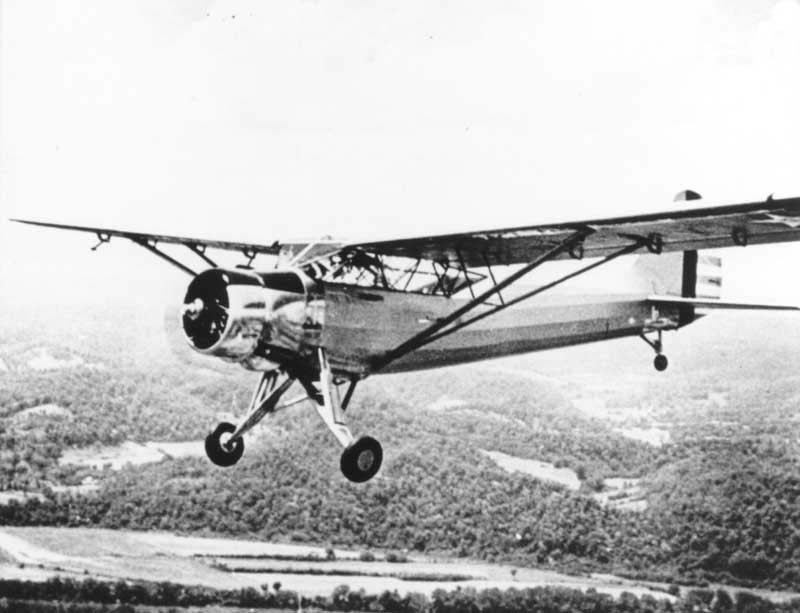
Stinson O-49 Vigilant aircraft 1941 to c.1943
Reconnaissance and liaison

O-49 Vigilant

Also listed as O-49.

The O-49 belongs to the 91st's early-war reconnaissance period, when classic observation gave way to more flexible battlefield roles.

Research notes

The date remains approximate because the lineage summary gives a c.1943 end point rather than a single turnover date.

Exact type image.

License: Public domain

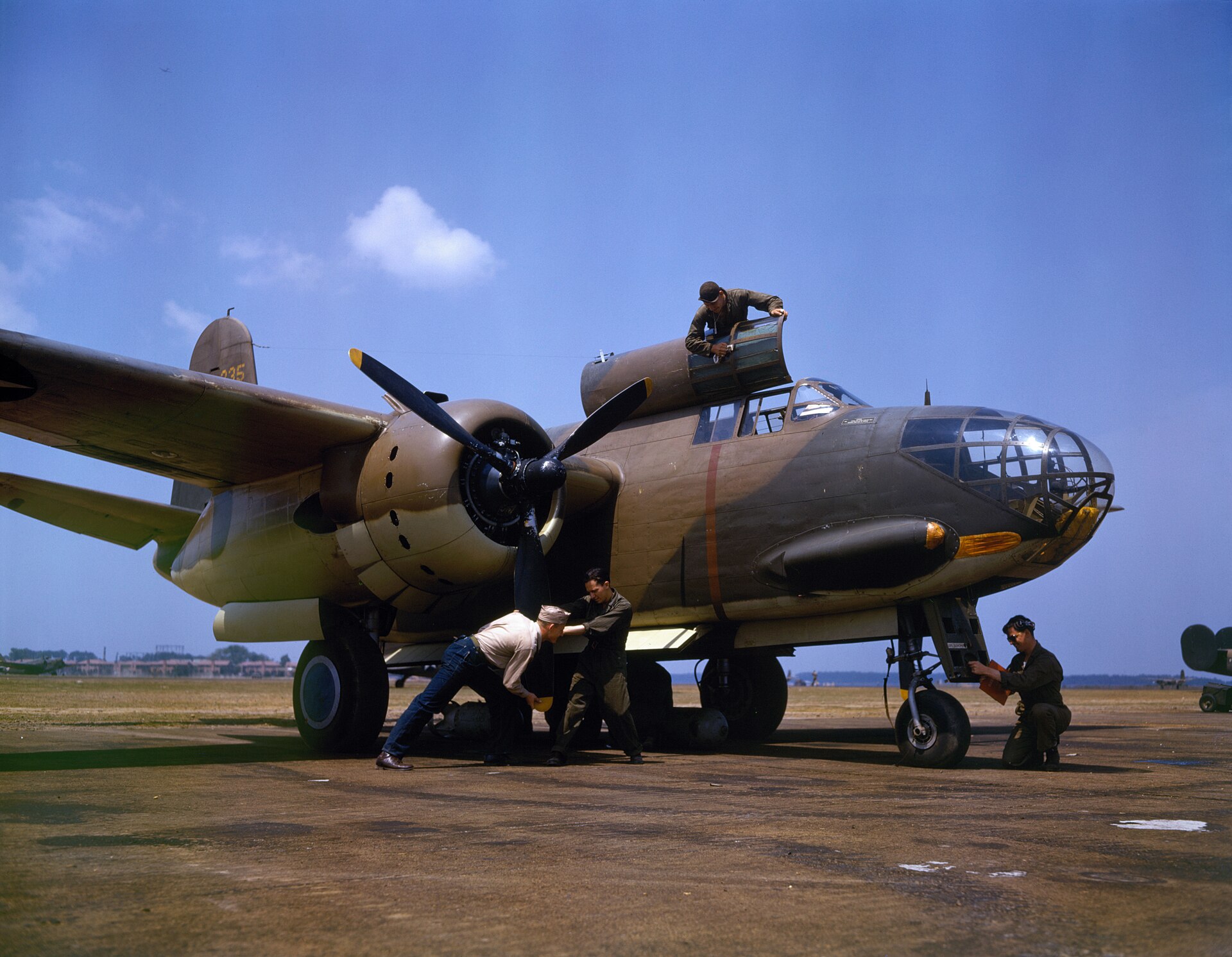
Douglas A-20 Havoc in flight 1942 to 1943
Attack and armed reconnaissance

A-20 Havoc

Also listed as A-20.

The A-20 signals a clear change in tone: the 91st was no longer living only in the world of slow observation machines.

Research notes

This assignment sits inside the same broader wartime transition that also brought the DB-7, L-series liaison aircraft, P-40, and B-25 into the picture.

Representative type image.

License: Public domain - Alfred T. Palmer

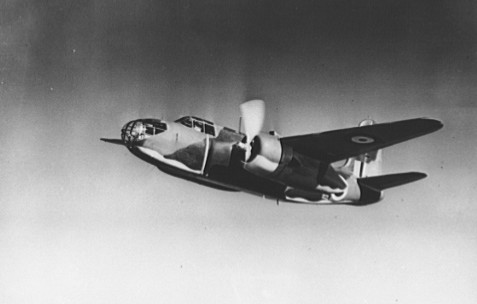
Douglas DB-7 or Boston family aircraft 1942 to 1943
Attack and reconnaissance transition

DB-7

Also listed as Douglas Boston family.

The DB-7 belongs to the same transitional wartime moment as the A-20, reflecting how the 91st moved through multiple related aircraft families before settling on dedicated mapping types.

Research notes

The image uses a RAF Boston-family aircraft because that is the clearest rights-safe DB-7-family photo located in the sourcing pass.

Representative DB-7/Boston image.

License: Public domain - Douglas Aircraft Company, Transfer; United States. Office of War Information. Overseas Picture Division. Washington Division; 1944.

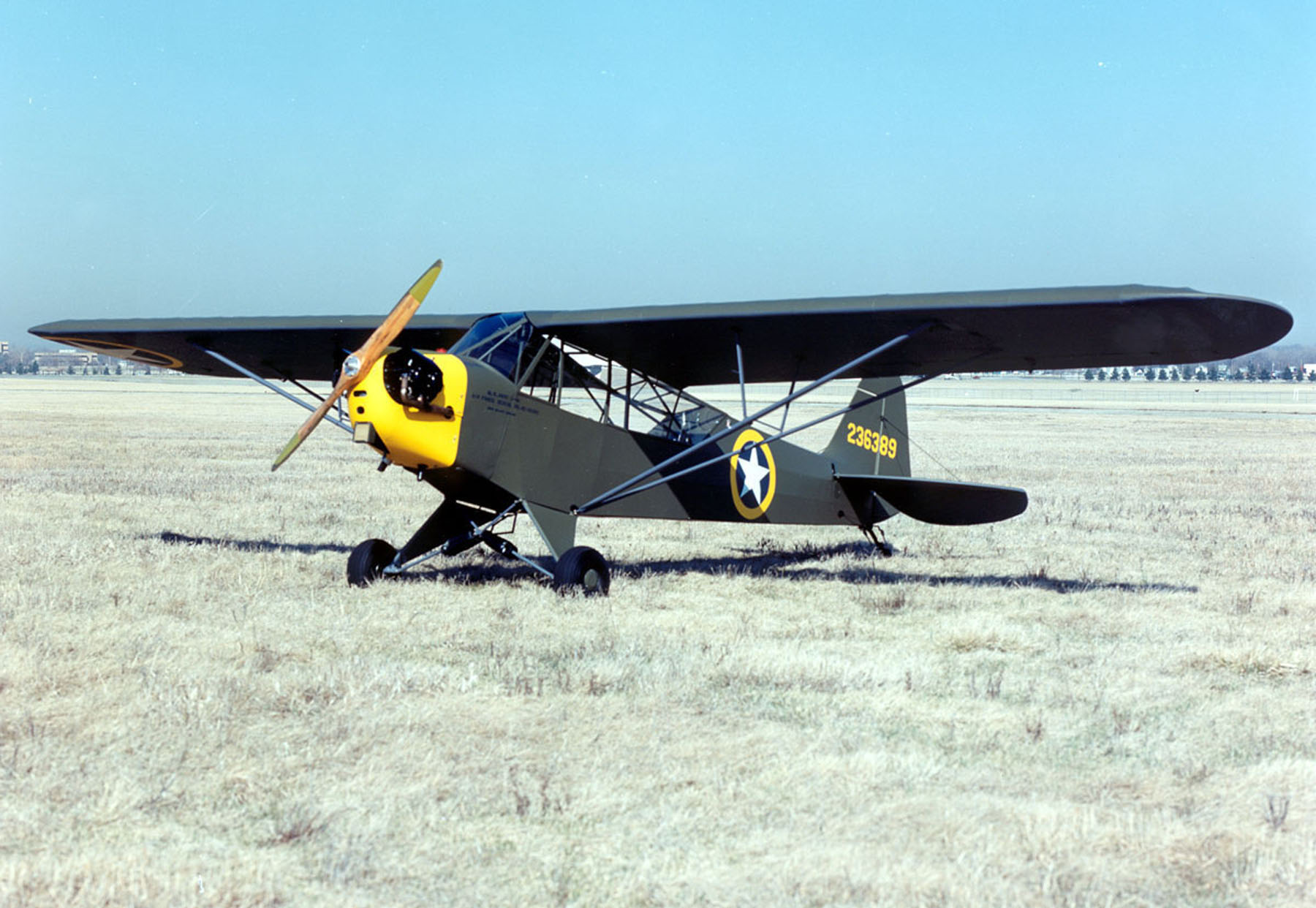
Piper L-4 Grasshopper 1942 to 1943
Liaison and utility

L-4 Grasshopper

Also listed as L-4.

The tiny L-4 shows how broad the 91st's wartime tool kit had become during the observation-to-reconnaissance handoff.

Research notes

The L-4 and L-5 appear together in the verified roster for this short wartime transition period.

Exact type image.

License: Public domain

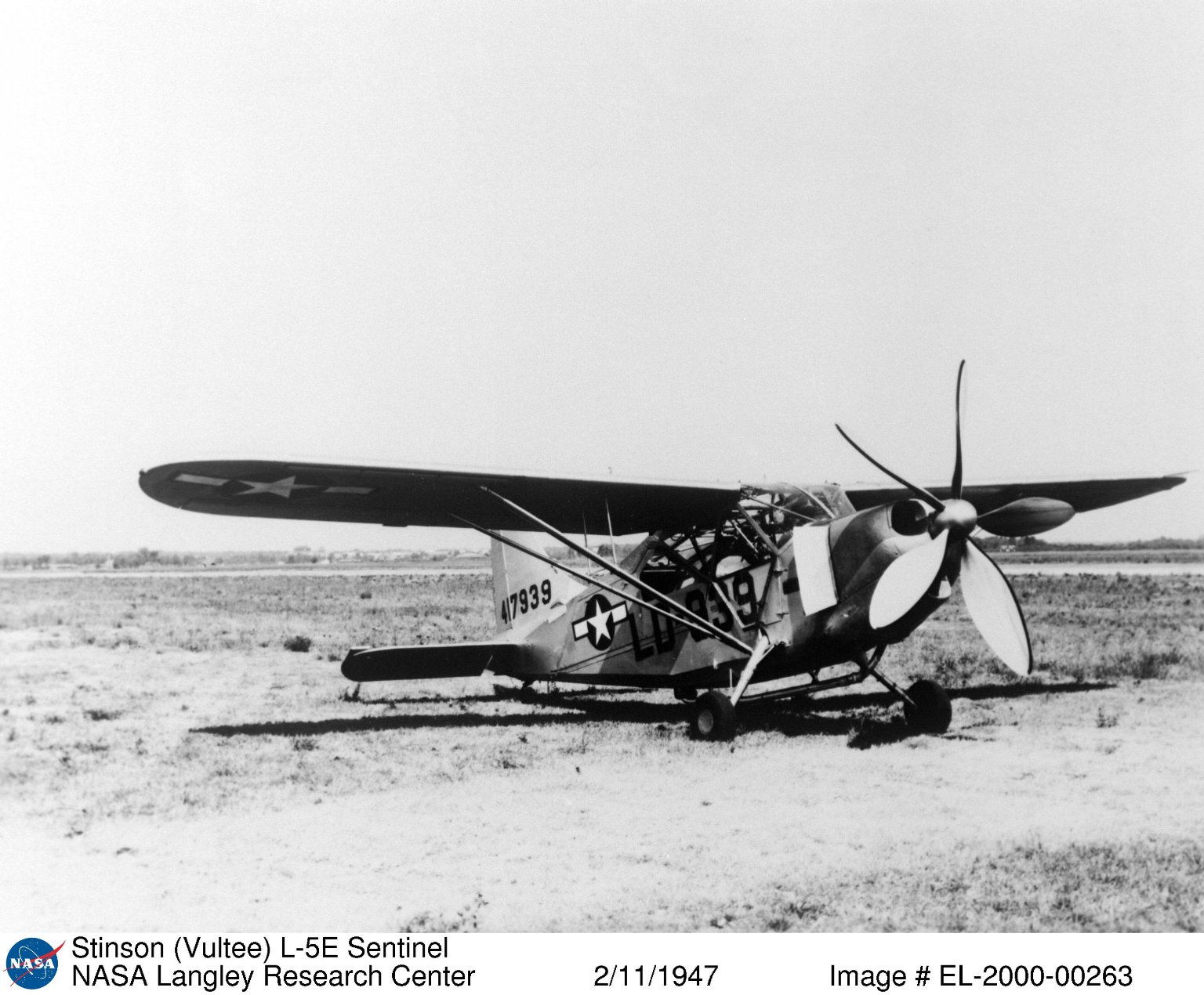
Stinson L-5 Sentinel 1942 to 1943
Liaison and utility

L-5 Sentinel

Also listed as L-5.

A more capable liaison aircraft than the L-4, the L-5 fits the same early-war moment when the 91st needed flexibility more than a single clean doctrinal identity.

Research notes

Like several other cards in this stretch, this one reflects a very compressed and overlapping assignment window.

Representative L-5 family image.

License: Public domain - NASA Langley

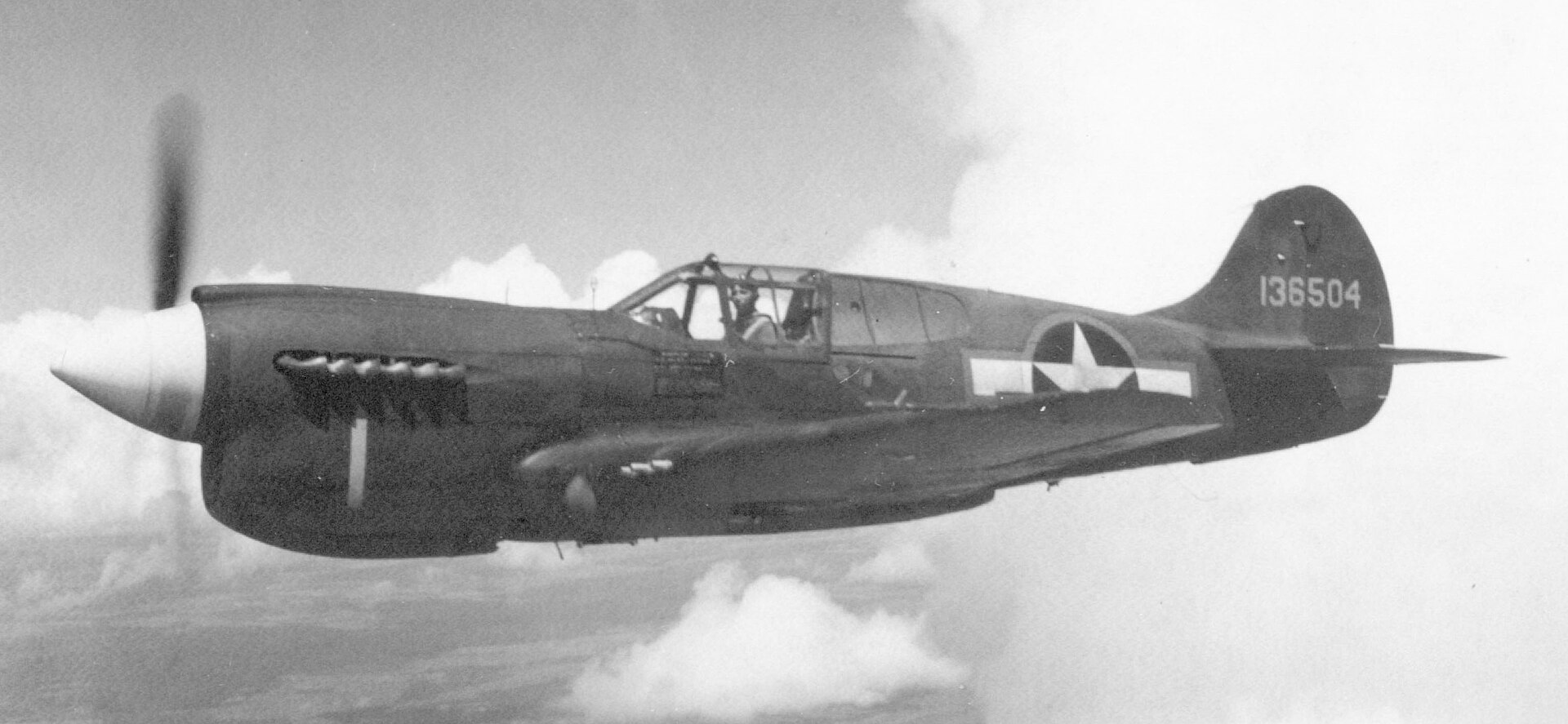
Curtiss P-40 Warhawk 1942 to 1943
Fighter support within reconnaissance transition

P-40 Warhawk

Also listed as P-40.

The P-40 is a reminder that the 91st's wartime aircraft list was not neatly confined to one mission family during the 1942 to 1943 churn.

Research notes

The verified roster includes the P-40 in the same early-war transition period as the A-20, DB-7, L-series aircraft, and B-25.

Representative type image.

License: Public domain - US Air Force/US Army Air Forces

1943 to 1950

Mapping the Postwar World

The squadron reinvented itself around photo mapping and long-range survey work, moving from Mitchells to Flying Fortresses and Beechcraft support aircraft.

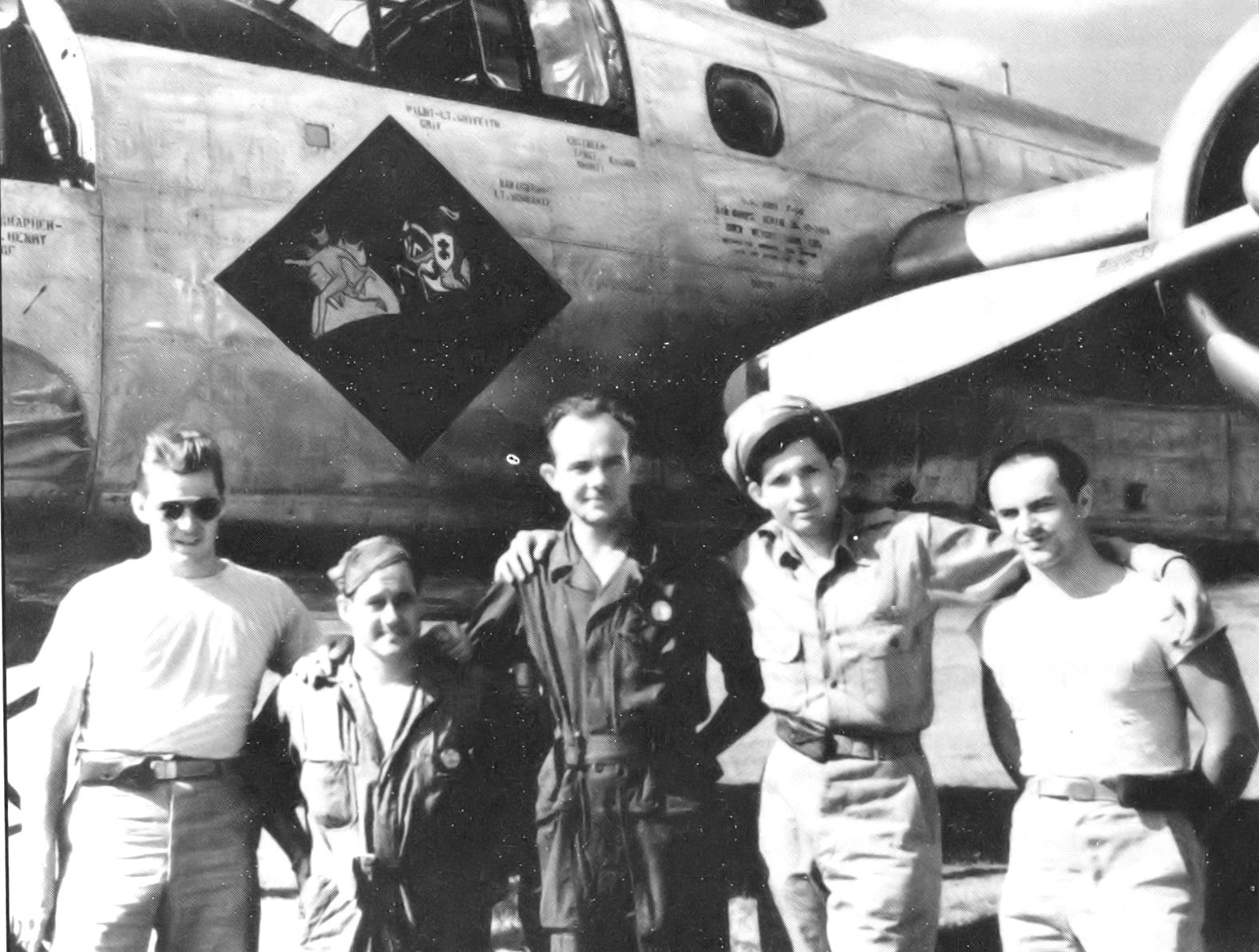
91st Photographic Mapping Squadron B-25 Mitchell 1943
Transition into mapping

B-25 Mitchell

Also listed as B-25.

The B-25 appears as the 91st turned toward mapping and photo reconnaissance, and the sourced image is a direct 91st Photographic Mapping Squadron photograph.

Research notes

This short assignment is best understood as the runway into the dedicated F-10 mapping phase rather than a long separate chapter.

91st-specific image.

License: Public domain - United States Army Air Forces

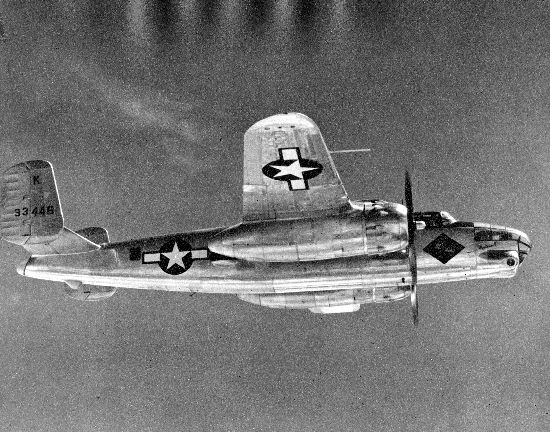
North American F-10 Mitchell reconnaissance aircraft 1943 to 1945
Photographic mapping

F-10 Mitchell

Also listed as B-25 / F-10.

This is the aircraft that defines the 91st's mapping phase: a Mitchell remade around cameras and cartography.

Research notes

Per your direction, the card uses the right-hand designation as the primary label because it is the more accurate one.

Exact type image.

License: Public domain - Unknown author Unknown author

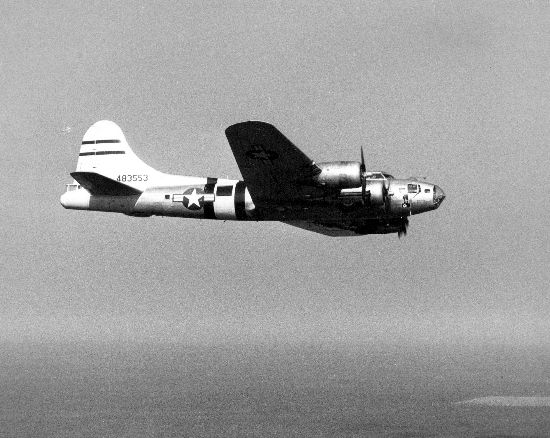
Boeing F-9 Flying Fortress reconnaissance aircraft 1945 to 1950
Long-range photo reconnaissance

F-9 Flying Fortress

Also listed as B-17 / F-9.

After the Mitchell mapping years, the 91st scaled up into the Flying Fortress-based F-9 for deeper, longer-ranging photographic work.

Research notes

The Commons file title reflects a QB-17 label, but the page metadata identifies the reconnaissance F-9 version.

Commons file title is QB-17G, but the description identifies the F-9 reconnaissance version.

License: Public domain - Unknown author Unknown author

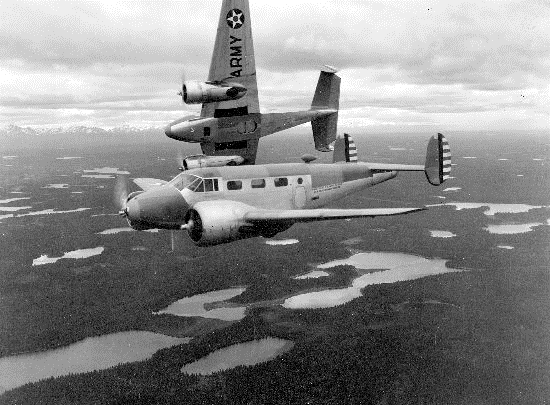
Beechcraft F-2 aircraft 1945 to 1948
Postwar reconnaissance support

F-2 Expeditor

Also listed as F-2.

Flying beside the larger F-9, the Beechcraft F-2 gave the squadron a lighter reconnaissance aircraft during the first postwar years.

Research notes

This shorter assignment overlaps the F-9 period rather than replacing it.

Exact type image.

License: Public domain - Unknown author Unknown author

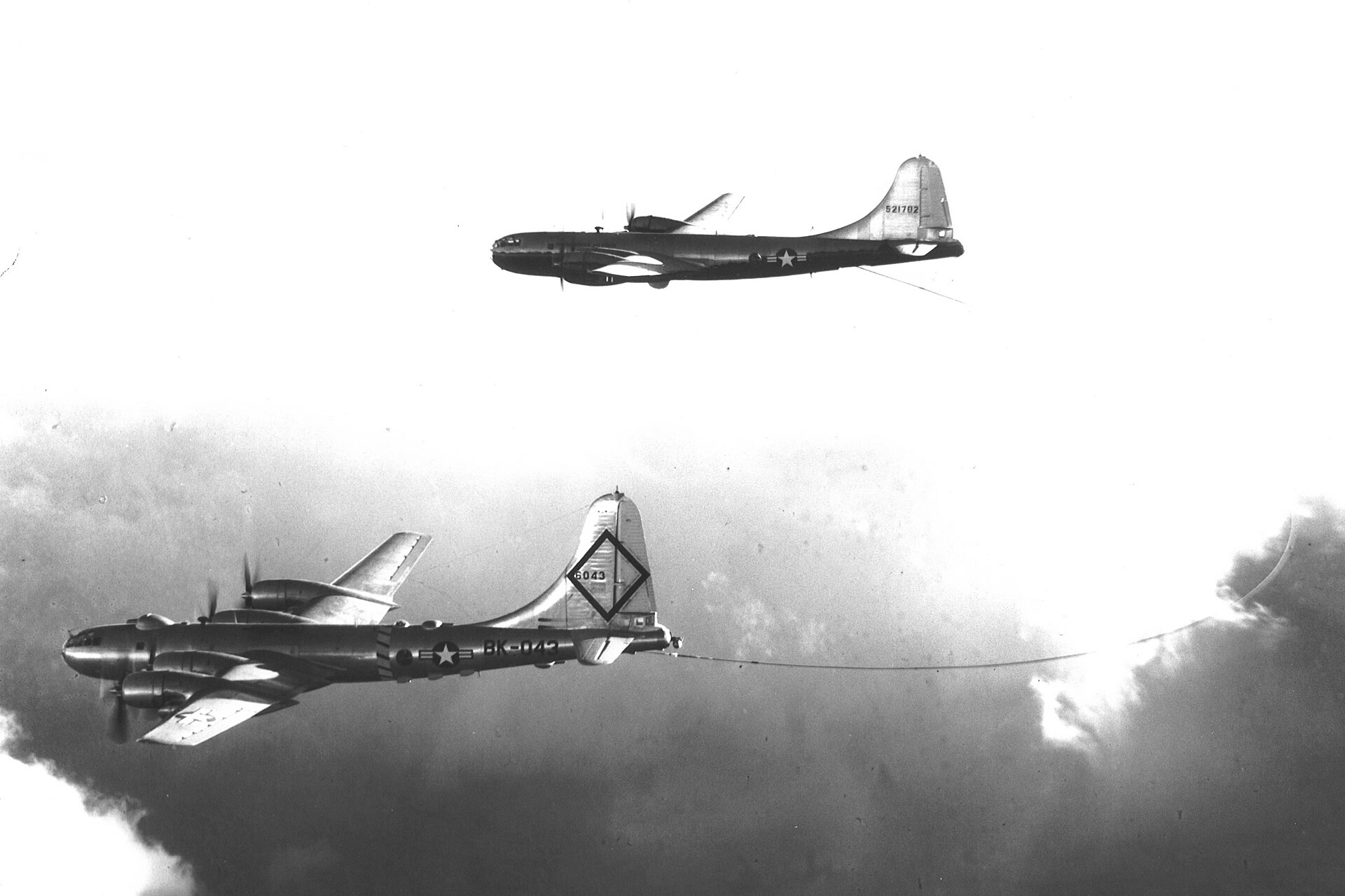
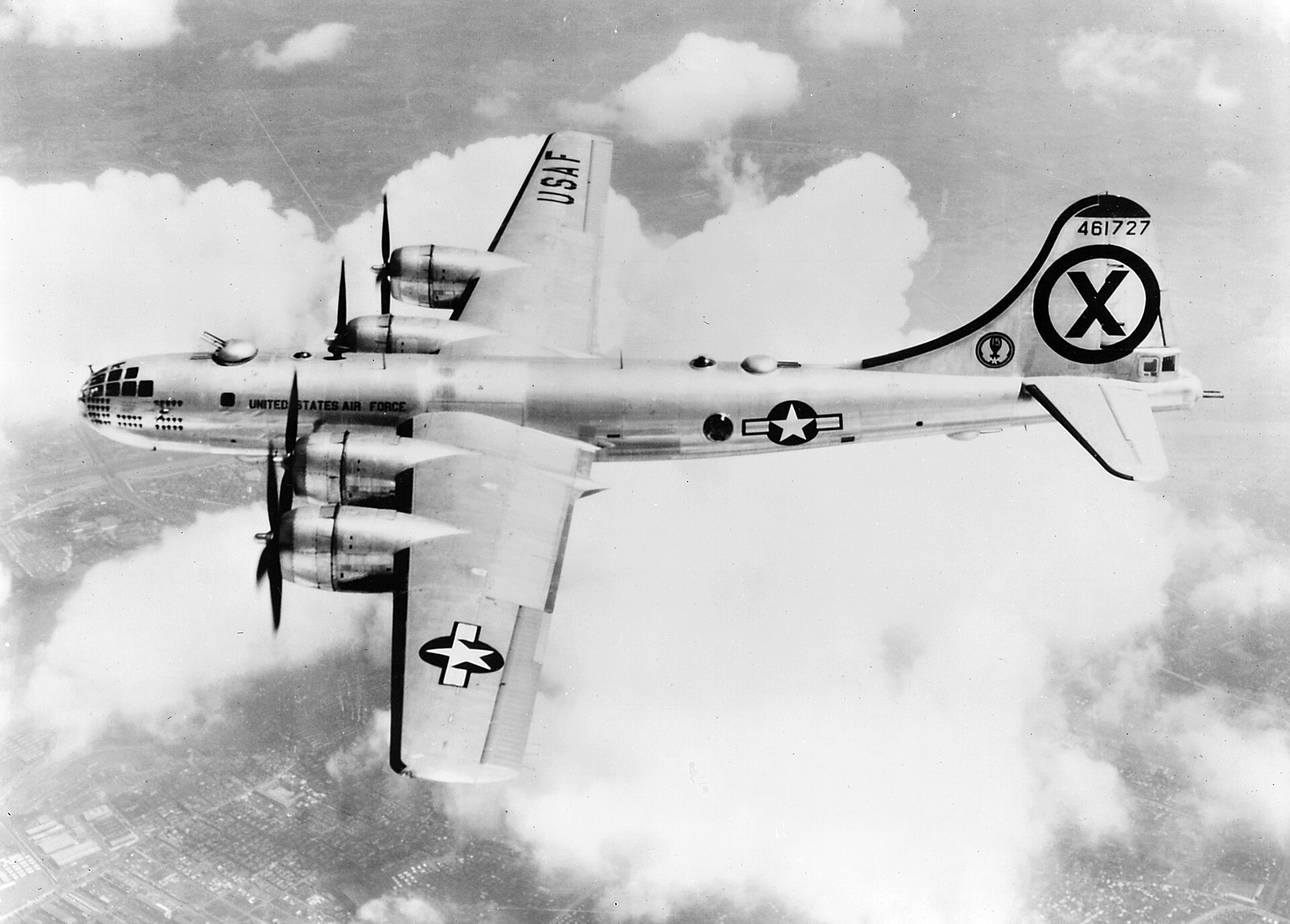
Boeing B-50 Superfortress 1949 to 1950
Early strategic reconnaissance transition

B-50 Superfortress

Also listed as B-50.

The B-50 sits at the seam between postwar mapping work and the heavier strategic reconnaissance world of the Korean War years.

Research notes

It is best read as a transition aircraft for the 91st rather than as the core platform of a long stable era.

Representative B-50 image.

License: Public domain - Unknown or not provided.

1950 to 1954

Korea and Strategic Reconnaissance

Korea and the early Cold War put the 91st into heavier reconnaissance aircraft built for depth, endurance, and survivability.

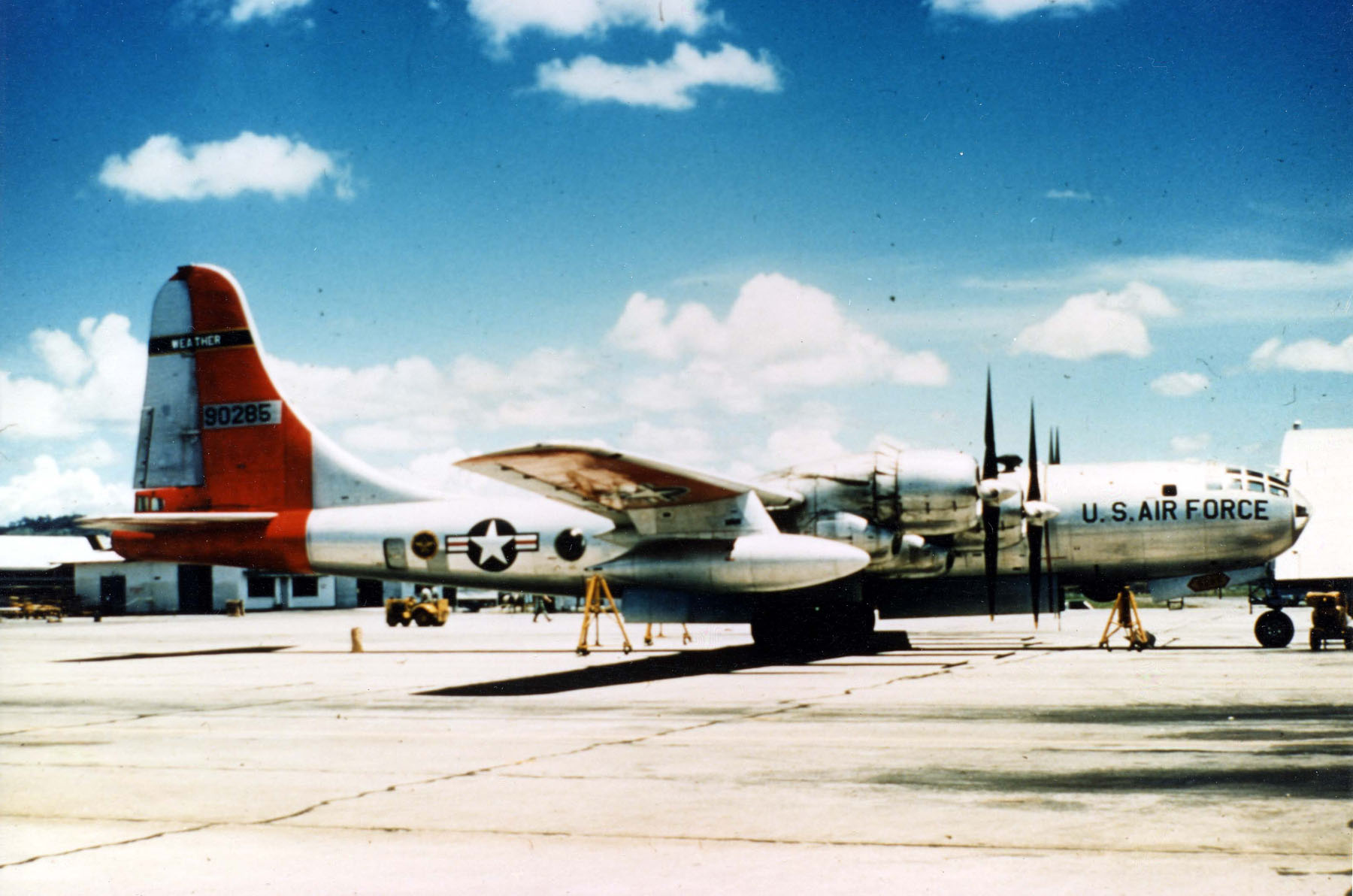
Boeing RB-50 or closely related reconnaissance B-50 family aircraft 1950; 1951 to 1954
Strategic reconnaissance

RB-50 Superfortress

Also listed as RB-50.

The reconnaissance B-50 brought the 91st into the big-airframe, long-range strategic world that defined the early 1950s.

Research notes

The verified lineage gives this aircraft in two blocks, one in 1950 and another from 1951 to 1954.

Representative reconnaissance-family B-50 image.

License: Public domain - User:Stahlkocher

91st Strategic Reconnaissance Squadron RB-29 1950 to 1954
Core Korea-era reconnaissance

RB-29 Superfortress

Also listed as RB-29.

If one aircraft defines the 91st's Korea-era identity, it is the RB-29. The image used here is a 91st-specific aircraft from that mission set.

Research notes

This is the backbone aircraft of the squadron's Korean War reconnaissance chapter.

91st-specific image.

License: Public domain - USAF, photo 342-AF-82168AC

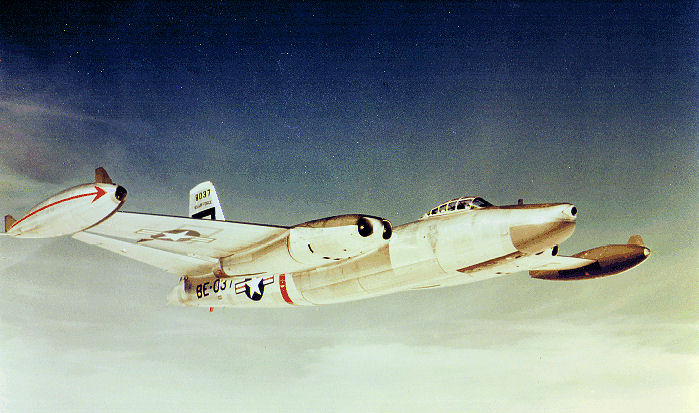
North American RB-45C Tornado of the 91st Strategic Reconnaissance Group 1951 to 1954
Jet reconnaissance

RB-45C Tornado

Also listed as RB-45.

The RB-45 marks the 91st's early jet-reconnaissance step, layered into the same Korea and early Cold War period dominated by piston-powered heavies.

Research notes

Its presence in the lineup shows that the squadron's early-1950s story was more technologically mixed than a single-aircraft narrative suggests.

91st-specific image.

License: Public domain - United States Air Force

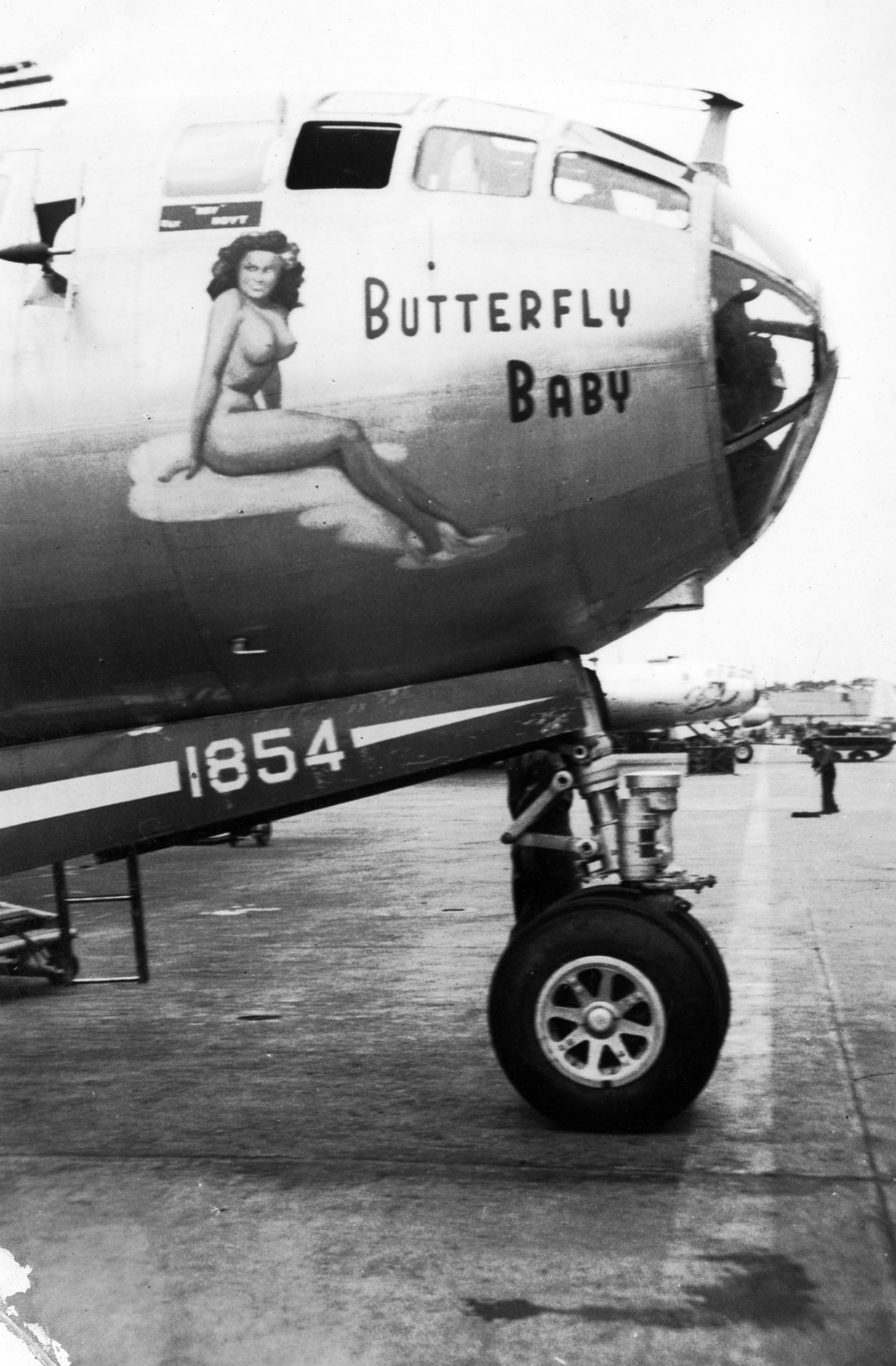
B-29A Butterfly Baby of the 91st Strategic Reconnaissance Squadron 1952 to 1953
Korea-era supplement

B-29 Superfortress

Also listed as B-29.

The B-29 remained in the broader aircraft mix even while reconnaissance-specialized versions did most of the identity-shaping work.

Research notes

This is a short supporting assignment in the middle of the longer RB-29 and RB-50 period.

91st-specific image.

License: Public domain - San Diego Air & Space Museum Archives

1955 to 1957

The FICON Detour

For a brief and unusual chapter, the squadron's mission revolved around RF-84 parasite reconnaissance aircraft tied to the FICON concept.

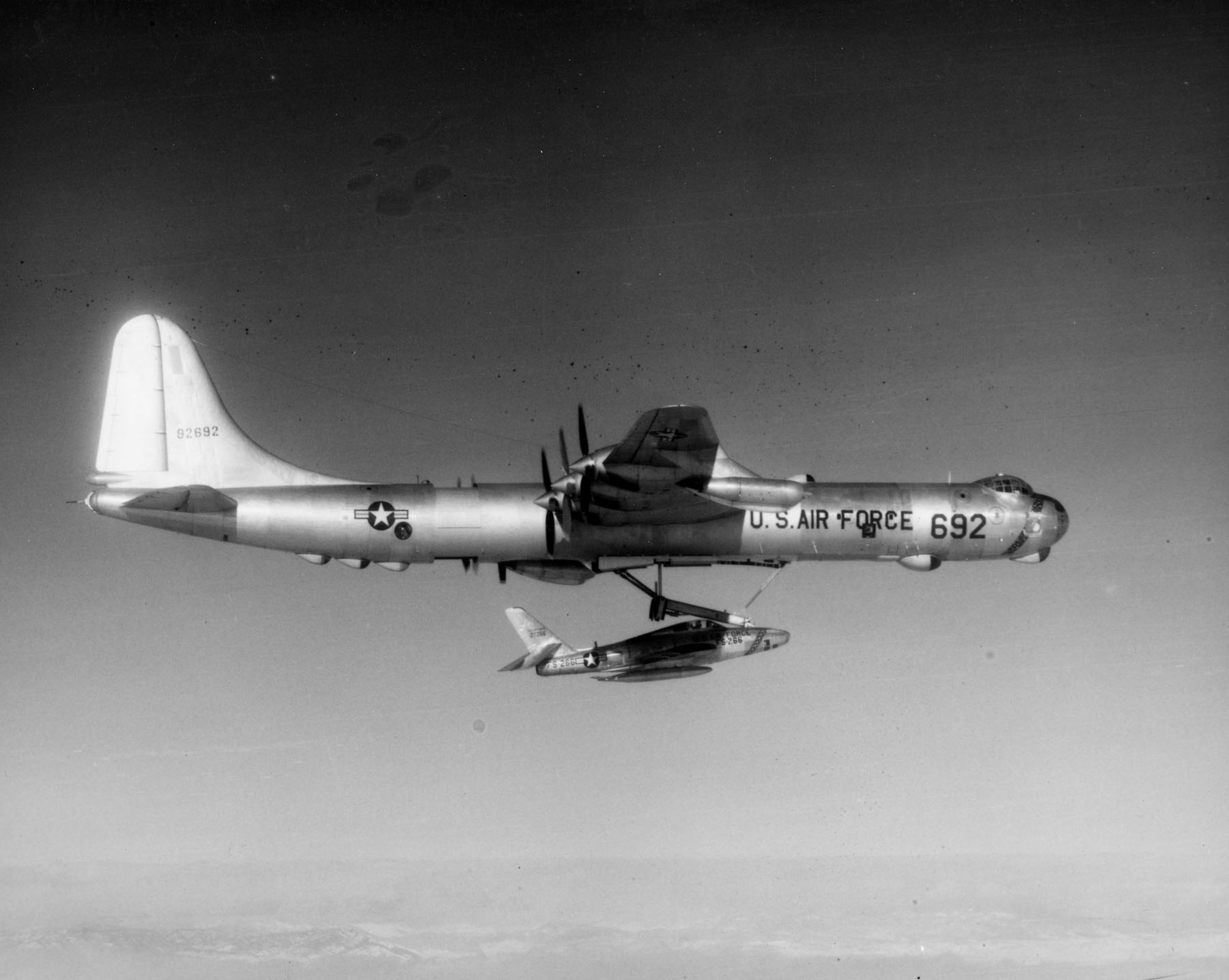
Republic RF-84K Thunderflash hooking up to a mothership 1955 to 1957
FICON parasite reconnaissance

RF-84K Thunderflash

Also listed as RBF-84.

This is the short, strange, and technically ambitious FICON chapter: a reconnaissance fighter designed to be carried and recovered by a larger aircraft.

Research notes

As requested, the more accurate right-hand designation is used as the primary label.

Exact type image.

License: Public domain - USAF

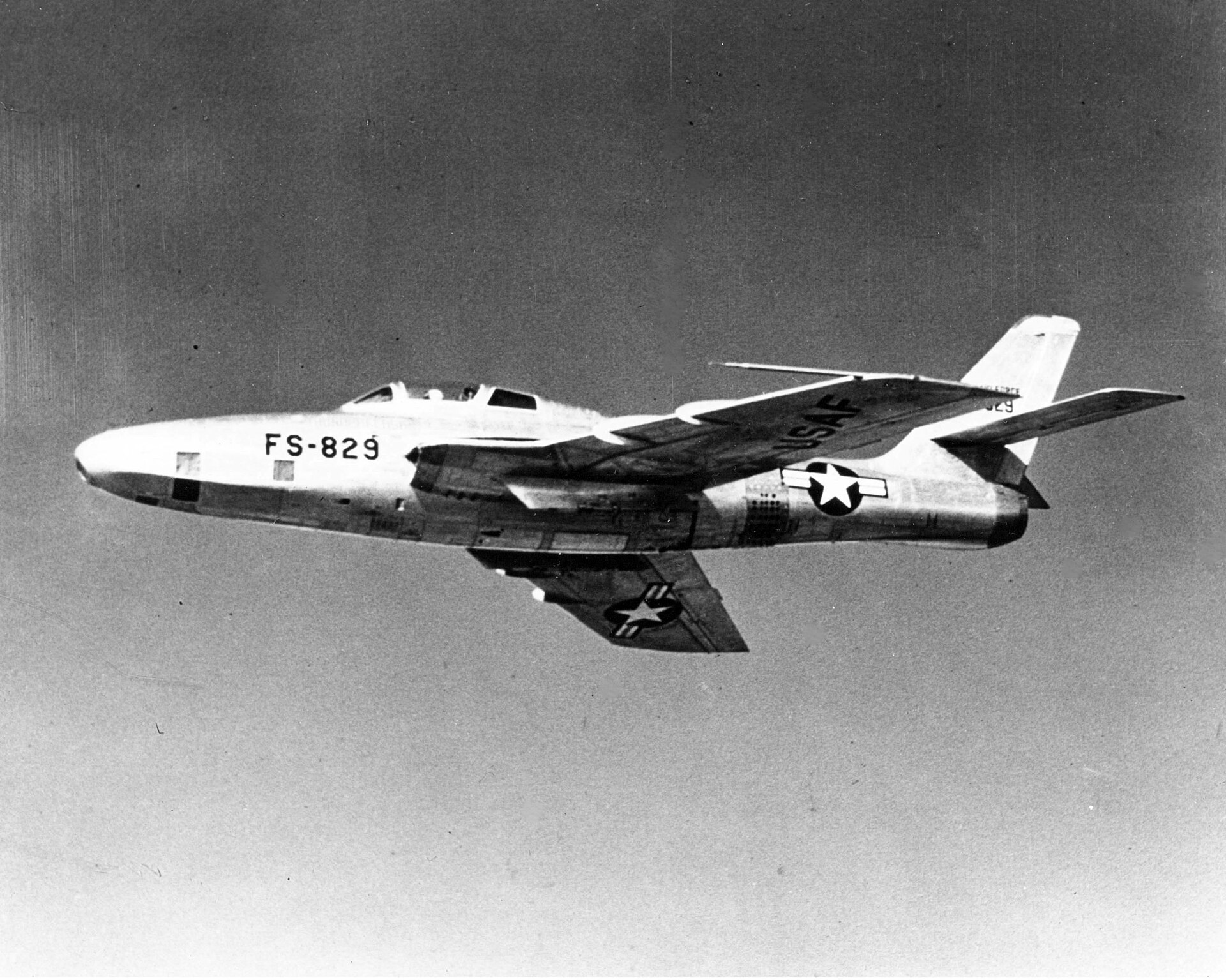
Republic RF-84F Thunderflash 1956 to 1957
Late strategic reconnaissance

RF-84F Thunderflash

Also listed as RF-84.

The RF-84F sits in the same brief late-1950s window as the RF-84K and closes out the squadron's post-Korea strategic-reconnaissance experiment.

Research notes

This is another case where the draft shorthand has been tightened to the more precise right-hand designation.

Exact type image.

License: Public domain - en:User:Signaleer first uploaded to English WP, User:Alaniaris re-uploaded it here

1967 to 1991

The Bergstrom Phantom Years

Reactivated in Texas, the 91st spent nearly a quarter century flying the RF-4C in the tactical reconnaissance role.

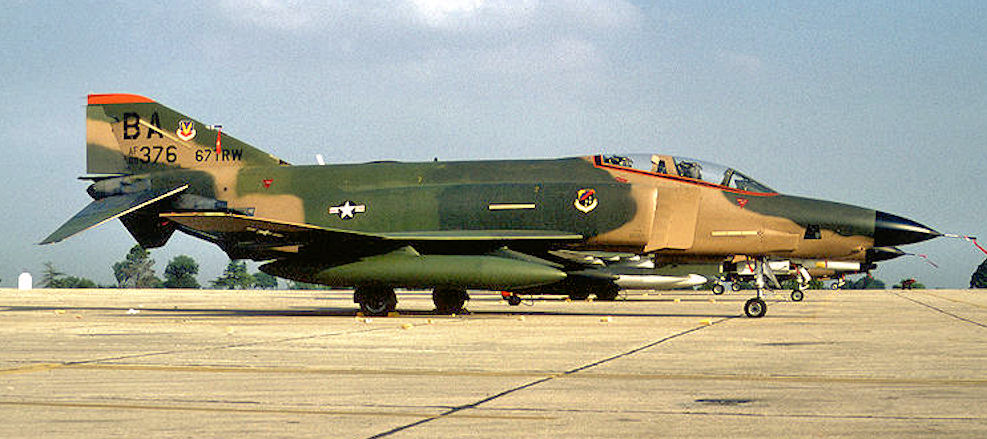
91st Tactical Reconnaissance Squadron RF-4C Phantom II 1967 to 1991
Tactical reconnaissance

RF-4C Phantom II

Also listed as RF-4.

The Bergstrom years are the longest single chapter on the page, and the RF-4C is the aircraft that came to define the modern 91st Tactical Reconnaissance Squadron.

Research notes

The image used here is 91st TRS-specific and anchors the page's final era.

91st-specific image.

License: Public domain - United States Air Force

Research Basis

The roster/date pass leans on squadron lineage summaries for the full aircraft list and a separate WWI 91st Aero Squadron source for the early observation years. Every image card also links back to its own source page.

91st Aero Squadron

Used for WWI aircraft ordering and the Salmson-centered operational narrative.

AFHRA-derived lineage summary

Used as the backbone for aircraft/date verification across the interwar, WWII, Korea, and postwar periods.

91st archived sites

Helpful for 91st-specific imagery and Korea-era context already preserved in this project.